
Inside India’s Facility Powerhouses: Real Lessons from UDS Leaders
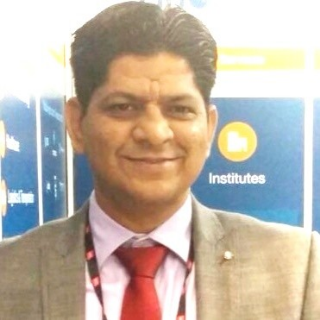
Hello everyone, and welcome to the Maintenance Zaps Podcast, where we explore how facility and maintenance leaders keep their operations reliable, efficient, and future-ready. I’m your host, Yogesh, founder and CEO of Zapium, a connected maintenance platform that brings together assets, data, and teams to help organizations manage operations more effectively. Today, we’re joined by three experienced professionals who have spent years in procurement, finance, facilities operations, and integrated facilities management. First, we have Kanan(Linkedin), Associate Director at UDS(updater Services), one of India’s leading integrated facilities management companies. Joining him are Commander Prakash(Linkedin), a veteran with nearly three decades of experience in defense and corporate facility management, and Firoz, a facilities leader with over 20 years of experience across hospitality and property management. Thank you all for being here – it’s great to have you on the show. I would love to briefly share your story and experience with our audience before we dive into the conversation. Kanan: Thank you, Yogesh. I’m an electronics and communication engineer by training. I started my career in 1993 with a telecom production company in Chennai when the communication industry was booming. Over the years, I moved through different sectors – telecom, television components with Philips India, automobile, and then the power sector after privatization. That’s where my real journey began, managing and maintaining power plants across India, ranging from 2 MW to 600 MW thermal plants. It’s been a great experience, and today at UDS, I lead the critical engineering services vertical, supporting operations, maintenance, procurement, and finance. Yogesh: Wonderful, Kannan. Thanks for sharing that. Over to you, Commander Prakash. Prakash: Thank you, Yogesh. It’s a pleasure to be here. I served in the Indian Navy for 21 years as an electrical officer. My background is in Electrical and Electronics Engineering, and I’ve had extensive hands-on exposure to large, complex systems – very similar to those in modern facilities. After retiring, I completed an executive business management program from IIM and earned PMP and Six Sigma certifications before moving into the corporate world. I began with Reliance as a project lead for Pan-India retail infrastructure and now serve as key account director for the OMI site – Asia’s largest convention center managed by UDS. It’s been an interesting transition from the Navy’s dynamic environment to the corporate world, but the principles of discipline and ownership remain the same. And I must add that working with Zapium has been excellent. The platform gives real-time visibility to clients and helps us stay accountable. Thanks to your team for that. Yogesh: Appreciate that, Commander. The credit really goes to your implementation team for making it work so well. Firoz, over to you. Firoz: Thanks, Yogesh. My background is in hospitality – I started my career in hotels before moving to Delhi, where large commercial properties were coming up. I saw great potential in facilities management and switched industries. Over the last 16 years, I’ve managed properties in airports, hospitals, and commercial complexes. Currently, I’m responsible for operations at IICC, one of Asia’s largest national facilities. It’s been a rewarding journey. Yogesh: Thank you so much for the intro. Most of you have seen the rise of the industry. You all come from different backgrounds, where you have managed everything ranging from procurement, projects, finance, and now of course facilities operations.
Inventory and Supply Chain Conundrum
Let’s talk about inventory and supply chain management – an area where many facility teams struggle. From your experience, what are the most common mistakes organizations make when managing spares and consumables? Kanan: The biggest challenge is inadequate planning. Asset availability drives service delivery, and if you’re aiming for near-perfect uptime, you must have a clear preventive maintenance and spare-planning framework. Without it, operations will always face interruptions. Prakash: Absolutely. At UDS, we treat supply-chain planning as part of the transition phase itself. When we take over a site, we assess every asset, contract, and spare requirement. We define minimum stock levels, automate replenishment triggers, and keep procurement linked to usage data. Overstocking is as harmful as under-stocking – it locks capital and wastes space. Strong checks and balances between operations, procurement, and finance prevent that. Yogesh: That’s true. Across industries we still see fear of downtime leading to over-stocking despite modern ERPs and inventory tools. Prakash: Exactly. The key is proper indenting. Every purchase must have a justification and approval chain. If accountability is built into the process, you maintain the appropriate balance without slowing decisions.
In-house vs Outsourced Teams
Yogesh:Another recurring debate in facilities management is whether to keep operations in-house or outsource them. How do you decide? Kanan: We look at three factors – cost, capability, and risk. For critical operations requiring technical skill and quick decision-making, we prefer in-house teams. For non-critical areas like housekeeping or pest control, outsourcing makes more sense. The balance depends on the client, site complexity, and our internal strengths.
Measuring Performance Beyond SLAs
Yogesh:SLAs are common for measuring vendor performance, but they don’t always tell the whole story. What works beyond SLAs? Kanan: SLAs measure results, not readiness. Achieving them consistently requires training, defined processes, and skilled people. We track employee skill levels and training hours as part of SLA management to make sure performance is sustainable. Prakash: Agreed. A report showing “100 percent compliance” means little unless validated. We run cross-checks and random site inspections. Accountability should be shared between the operations team and auditors to keep the system credible.
Handling Budget Cuts
Yogesh:Facilities often face the first cuts when budgets tighten. Which areas get reduced that people later regret? Kanan: Usually, maintenance budgets. Teams delay small repairs to save money, and those turn into major breakdowns later. For example, skipping a bearing replacement worth ₹1,000 can lead to a ₹30,000 shaft replacement. We rely heavily on condition monitoring to detect such issues early. Yogesh: That’s a great example. Preventive and predictive maintenance are truly changing how facilities operate today.
IoT and Predictive Maintenance
Yogesh:On that note, in facility ops, how close are we to the stage where machines communicate their issues automatically, reducing human intervention? Kanan: We’re already there for critical assets – boilers, chillers, AHUs. Even smaller equipment now comes IoT-enabled for compliance and performance monitoring. The challenge is not availability but adoption and cost awareness. We’ve created a separate unit to retrofit older assets with IoT so that they can be monitored effectively. Yogesh: That’s encouraging. With easier sensor setup and better connectivity, adoption will only accelerate.
Keeping Teams Motivated
Yogesh:Facilities management is often called a thankless job – people notice only when something fails. How do you keep your teams motivated? Prakash: That’s true. We focus on recognition and open communication. We highlight top performers every month, appreciate their work publicly, and maintain a flat communication line so anyone can reach leadership. Simple gestures – a thank-you message, a pat on the shoulder – make a big difference. We also encourage managers to spend time on the ground. When people see leaders involved, it builds ownership and pride. Kanan: Exactly. Leadership presence and acknowledgment go a long way in keeping motivation high.
Advice for Future Facility Leaders
Yogesh:Before we wrap up- if you were to mentor a young professional entering facility management, what would your key advice be? Kanan: Be proactive and get involved. Participate in Operational Excellence projects – they promote innovation and cross-team collaboration. That’s how future leaders are shaped. Prakash: For me, it comes down to two values: professionalism and integrity. Stay true to both, and success will follow. Firoz: This industry runs on people. Lead your teams with empathy, not authority. Real leadership is about working alongside your team, not just directing them. Yogesh: Thank you, gentlemen, for sharing your journeys and the valuable insights behind your success. I’m sure our listeners – facility leaders, maintenance heads, and operations managers – will take away many practical ideas from this conversation. And to everyone listening – thank you for joining us on the Maintenance Zaps Podcast. If you found this episode useful, share it with your peers and subscribe for more conversations with industry leaders who are shaping the future of facilities and maintenance. We’ll be back soon with more stories and insights. Until then, stay connected and keep your operations running strong.